PRODUCT CENTER
CONTACT US
If you are interested in cooperation, please contact us immediately, we will give you feedback as soon as possible!
Mobile
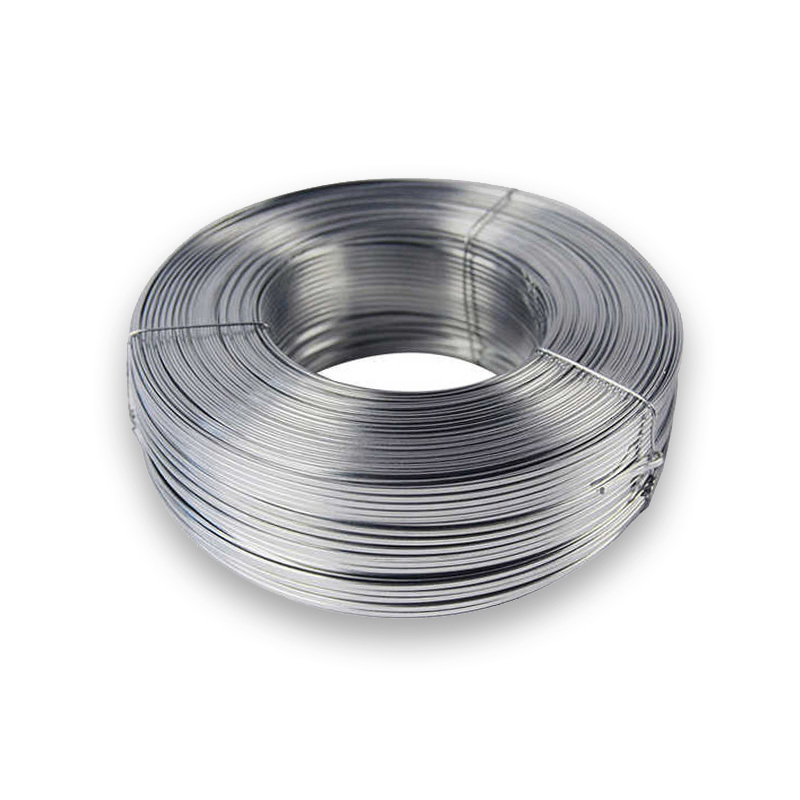
Steel grade G10060 (SAE 1006) - low carbon material from which wire rod and round wire are produced in riots or cut rods. Standart: ASTM A510M. Standard specification for general requirements for carbon steel wire rod and round wire. Classification: Low-carbon steel.
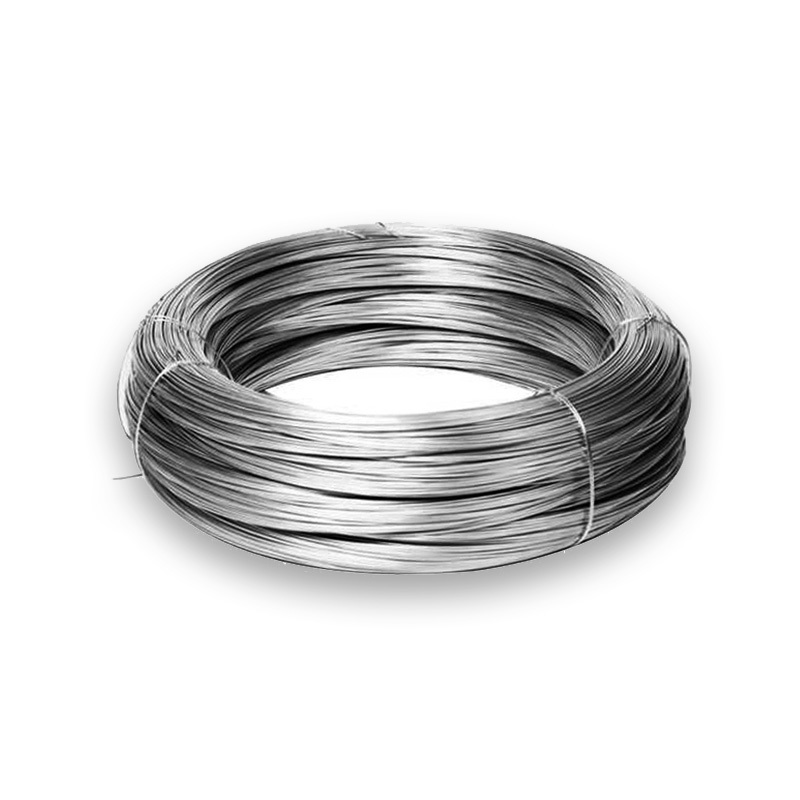
Steel grade G10080 (SAE 1008) - low carbon material from which wire rod and round wire are produced in riots or cut rods. Standart: ASTM A510M. Standard specification for general requirements for carbon steel wire rod and round wire. Classification: Low-carbon steel.
With a typical carbon content of 0.10% to 0.12%, SAE 1012 is perfect for manufacturing wires, screws, and fasteners, providing optimum strength and toughness, Our Carbon Steel Wire Rod is produced using advanced technology, ensuring consistent quality and precise dimensions. Its smooth surface finish minimizes handling defects, enhancing further processing efficiency.
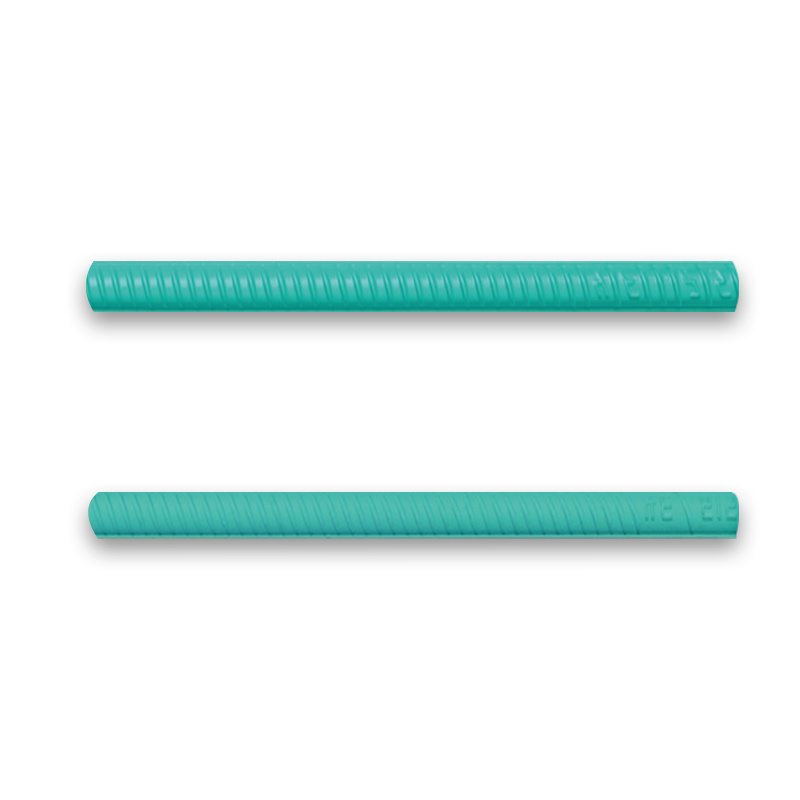
Epoxy resin coated steel bar is an epoxy resin protective coating prepared on the surface of ordinary steel bar by electrostatic spraying powder high temperature sintering process. The coating has excellent chemical corrosion resistance and does not react with acid and alkali. And the coating has anti-permeability, so it can delay the corrosion medium (such as water, oxygen, chloride, etc.) contact with the steel, so that its corrosion resistance life is greatly extended. China's epoxy coated steel bars adopt national standards GB/T 25826-2010 and Ministry of Housing and Construction standard JG/T 502-2016 (replacing JG 3042-1997). American standards are ASTM A775/A775M and ASTM A934/A934M, and British standard is BS ISO 14654.
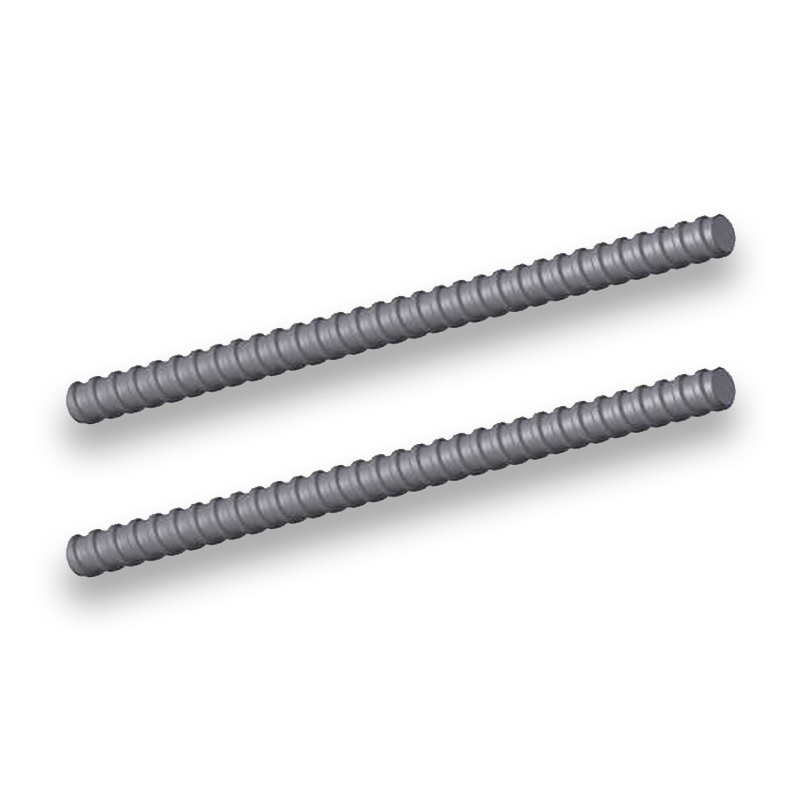
ASTM A615 Reinforcement Bar Grade 75
Unlike the former two kinds, ASTM A615 is a deformed steel standard categorized under American standards. These are generally available in diameter between 9.5 mm and 43 mm, and length between 6 m and 12 m. Generally, the steel bars that fall under this standard are under deformed or plain carbon steel. The grades that fall within this standard are Grade 40, Grade 60, Grade 75, and Grade 80.
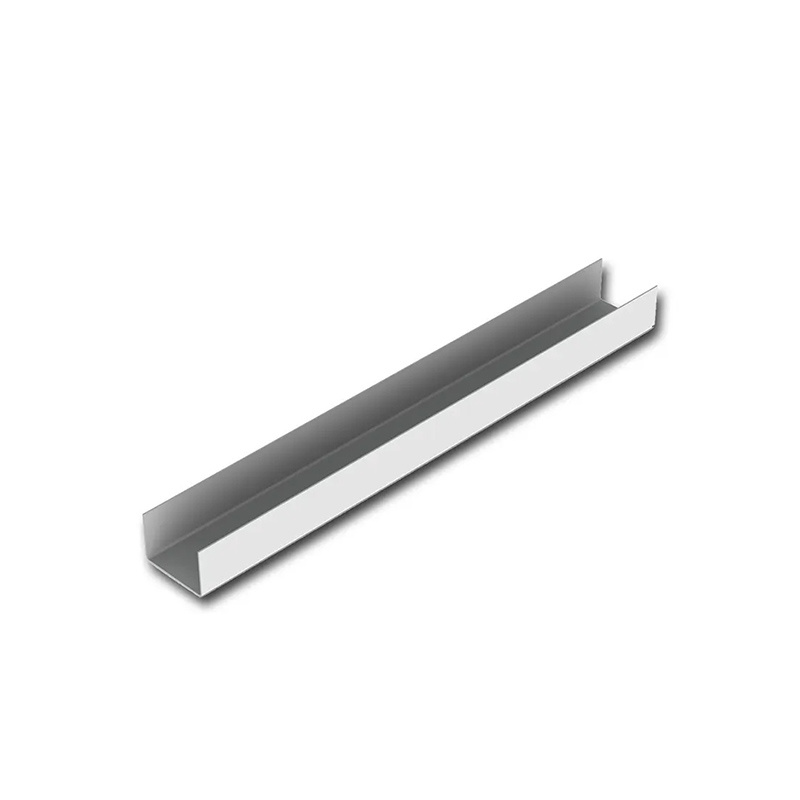
The stainless steel channel is a long strip steel whose cross-sectional shape is a groove shape. Same as I-beam, stainless steel channel steel is also divided into two kinds of ordinary channel steel and light channel steel. The main purpose of hot-rolled stainless steel ordinary channel steel is: ordinary channel steel is mainly used for building structure, vehicle manufacturing and other industrial structures, and is often used in conjunction with I-beam. Hot-rolled stainless steel light channel steel (YB164-63) Hot-rolled light channel steel is a kind of steel with wide legs and thin walls, which has better economic effect than ordinary hot-rolled channel steel. Main uses: construction and steel frame structure, etc.
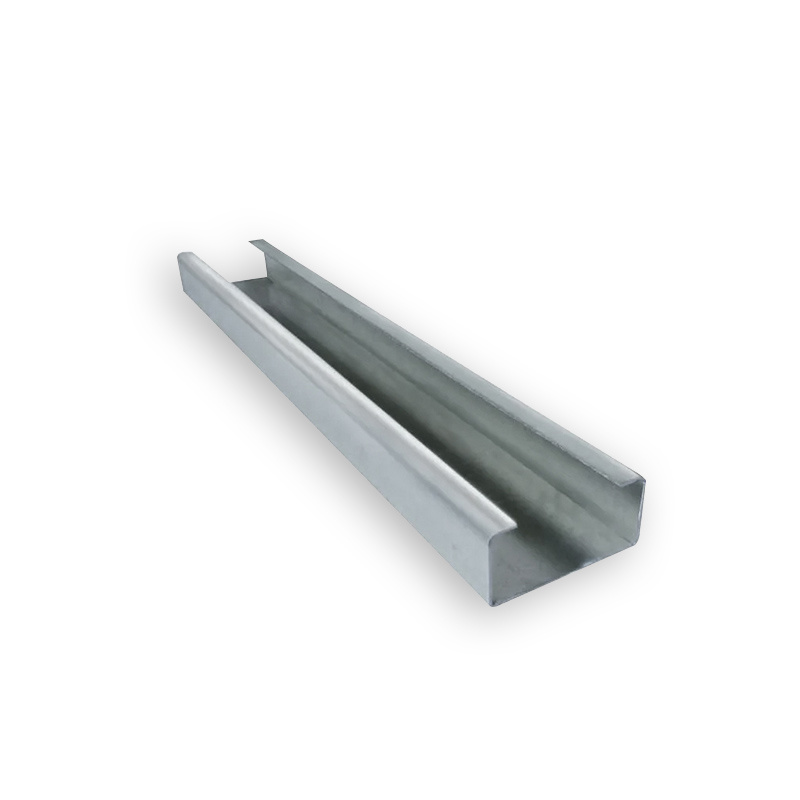
Stainless Steel C Groove Steel
The stainless steel channel is a long strip steel whose cross-sectional shape is a groove shape. Same as I-beam, stainless steel channel steel is also divided into two kinds of ordinary channel steel and light channel steel. The main purpose of hot-rolled stainless steel ordinary channel steel is: ordinary channel steel is mainly used for building structure, vehicle manufacturing and other industrial structures, and is often used in conjunction with I-beam. Hot-rolled stainless steel light channel steel (YB164-63) Hot-rolled light channel steel is a kind of steel with wide legs and thin walls, which has better economic effect than ordinary hot-rolled channel steel. Main uses: construction and steel frame structure, etc.
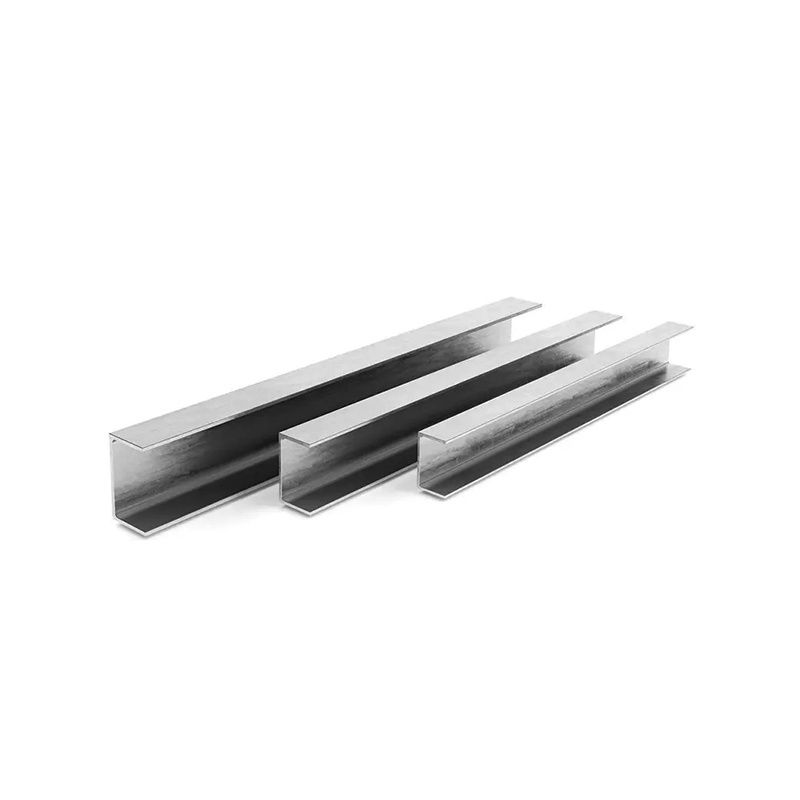
Hot-dip galvanized channel steel is also called hot-dip galvanized channel steel and hot-dip galvanized channel steel. It is an effective metal anti-corrosion method and is mainly used in metal structural facilities in various industries. It is to immerse the channel steel after derusting in the molten zinc of about 440~460 ℃, so that the zinc layer is attached to the surface of the channel steel, thus achieving the purpose of anti-corrosion. Now the main method of galvanizing the surface of the channel steel is hot dip galvanizing.
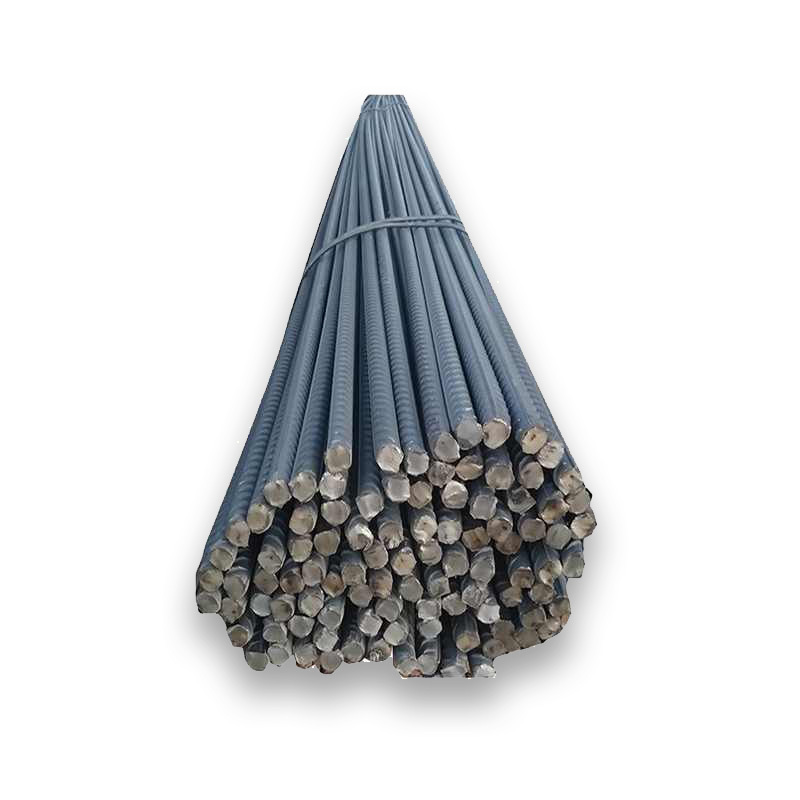
TMT means Thermo Mechanical Treatment, which is a thermomechanical process; These TMT steel bars are generally used material in construction for enhanced protection against earthquake and another type of natural disasters. To ensure safety for your structure TMT steel bars should be resistant to corrosion which helps to obtain a longer life to your structure.


Can't find the service you are looking for? Please contact us!
To inquire about our products, please leave us your email and we will contact you within 24 hours.
Email : sales1@taihangmetals.com
Add : Jihongtan Street, Chengyang District, Qingdao City, Shandong Province
GET A FREE QUOTE
Leave your contact information and we will contact you during working hours.
Copyright : TAIHANG STEEL (QINGDAO)CO., LTD. Powerby : CEGLOBAL SEO BUSINESS LICENSE PRIVACY POLICY