PRODUCT CENTER
CONTACT US
If you are interested in cooperation, please contact us immediately, we will give you feedback as soon as possible!
Mobile
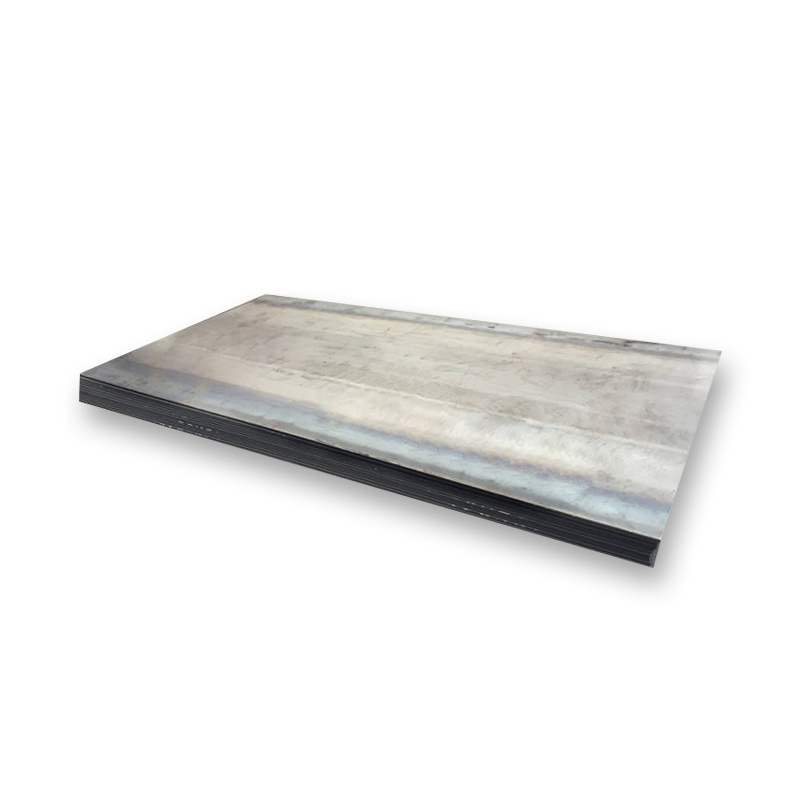
DIN 17100 ST37/ST52 Carbon Steel Plate
DIN 17100 steel plate is suitable for flange beams, steel bars, steel strips, steel plates, wide flat steel, seamless steel pipes and welded steel pipes, square and rectangular hollow profiles. According to standards, DIN 17100 steel plates are used for welding, riveting and threaded structural parts. Except for stress relief heat treatment and normalizing, it is not used for heat treatment.
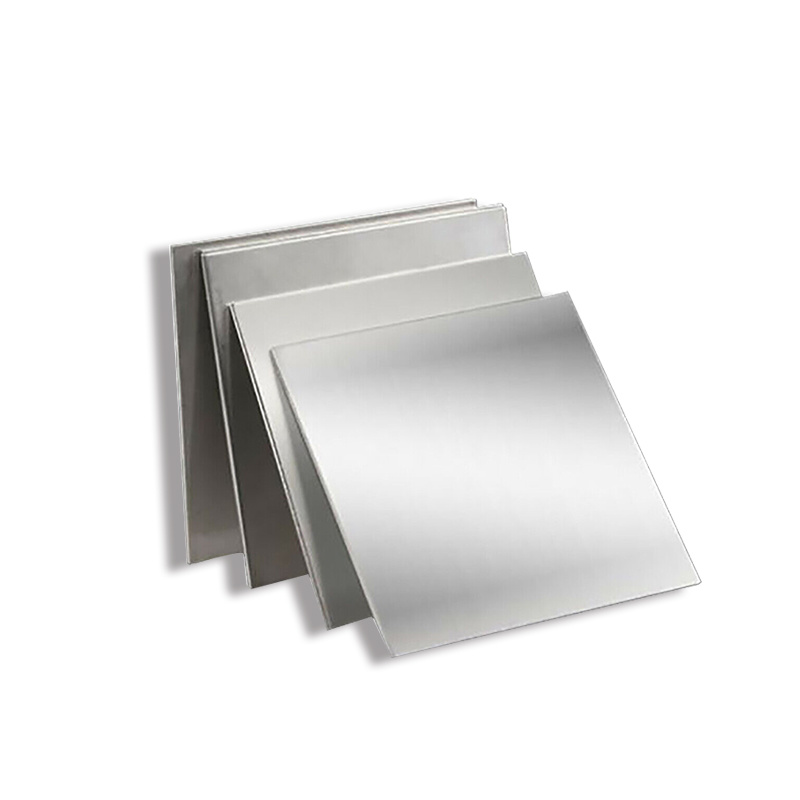
304 stainless steel is a kind of universal stainless steel material, rust resistance than 200 series of stainless steel material is stronger. High temperature resistance is also better, can be as high as 1000-1200 degrees. 304 stainless steel has excellent corrosion resistance and good intergranular corrosion resistance. For oxidizing acids, it is concluded in the experiment that 304 stainless steel has strong corrosion resistance in nitric acid with a concentration of less than or equal to 65% of the boiling temperature. It also has good corrosion resistance to alkali solution and most organic and inorganic acids.
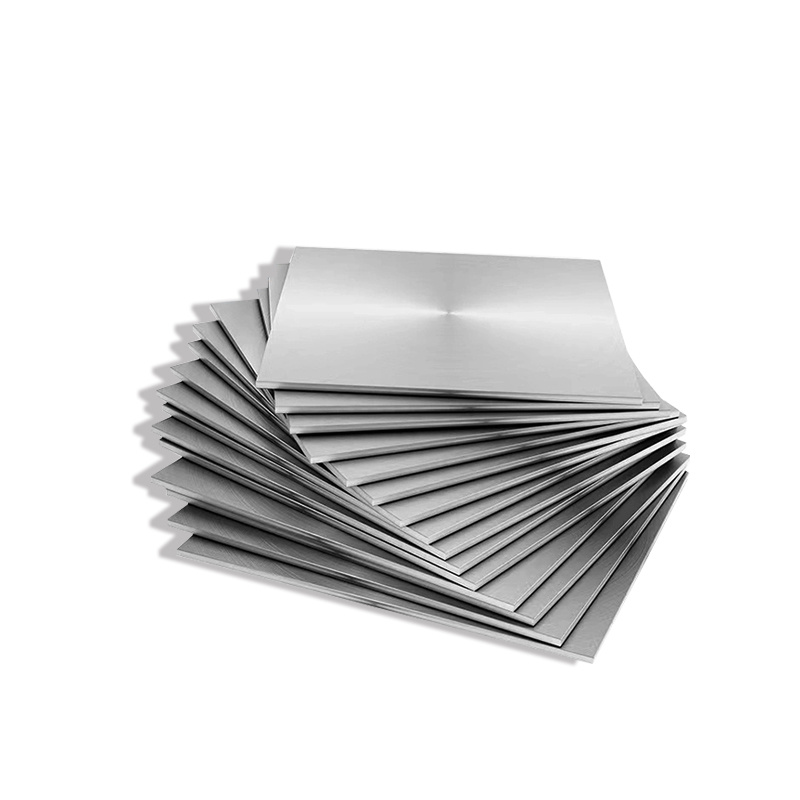
Grade 316 stainless steel is an austenitic form of stainless steel with a molybdenum content of 2-3%. The addition of molybdenum makes the metal more resistant to pitting and corrosion and improves its resistance to exposure to high temperatures. This grade of stainless steel is particularly effective when used in acidic environments. With this metal, corrosion caused by acetic acid, hydrochloric acid and other forms of acid can be prevented.
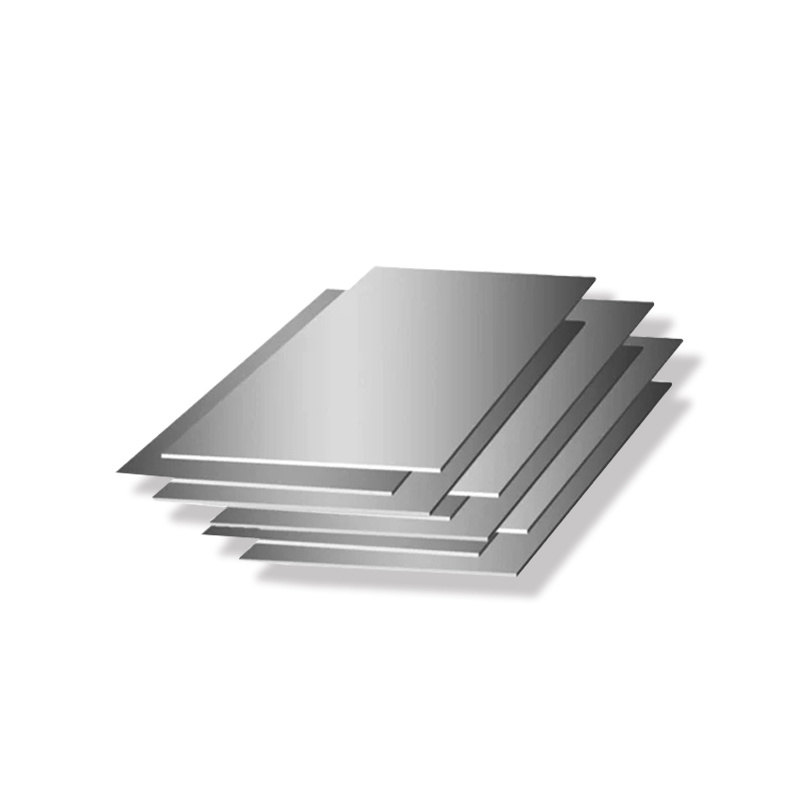
Grade 904L is an unstable low carbon high alloy austenitic stainless steel. The addition of copper to this grade greatly increases its resistance to strong reducing acids, especially sulfuric acid. It is also highly resistant to chloride attack, including pitting/crevice corrosion and stress corrosion cracking.
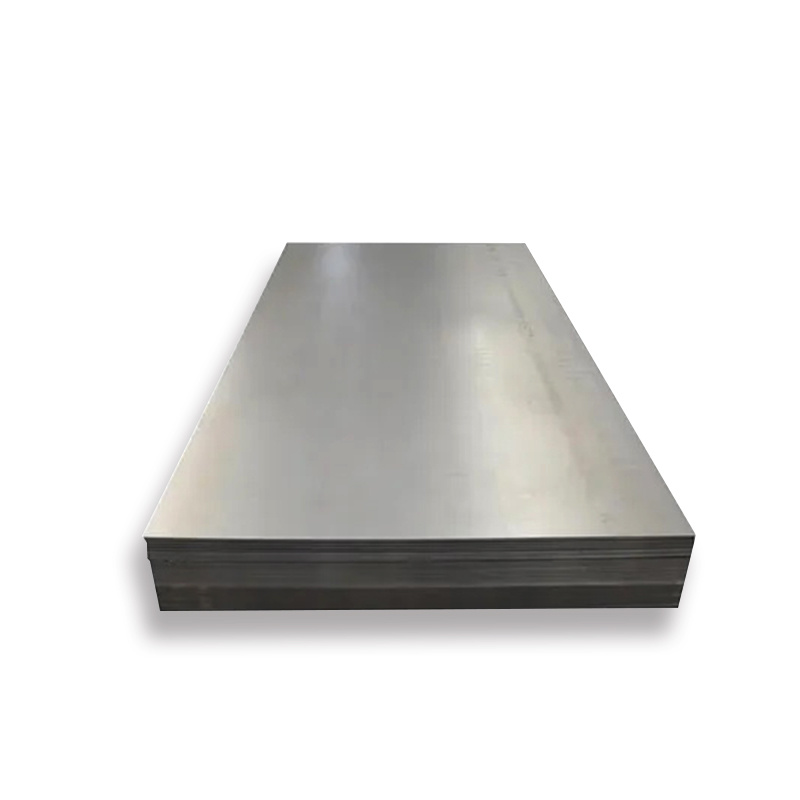
310S is an austenitic stainless steel that combines excellent high temperature performance with good ductility and weldability. It is usually used for high temperature applications because its high chromium and nickel content provides solid corrosion resistance, excellent oxidation resistance and excellent strength at temperatures up to 2100 °F. Due to its high chromium and nickel content, it is superior to 304 or 309 stainless steel in most environments.
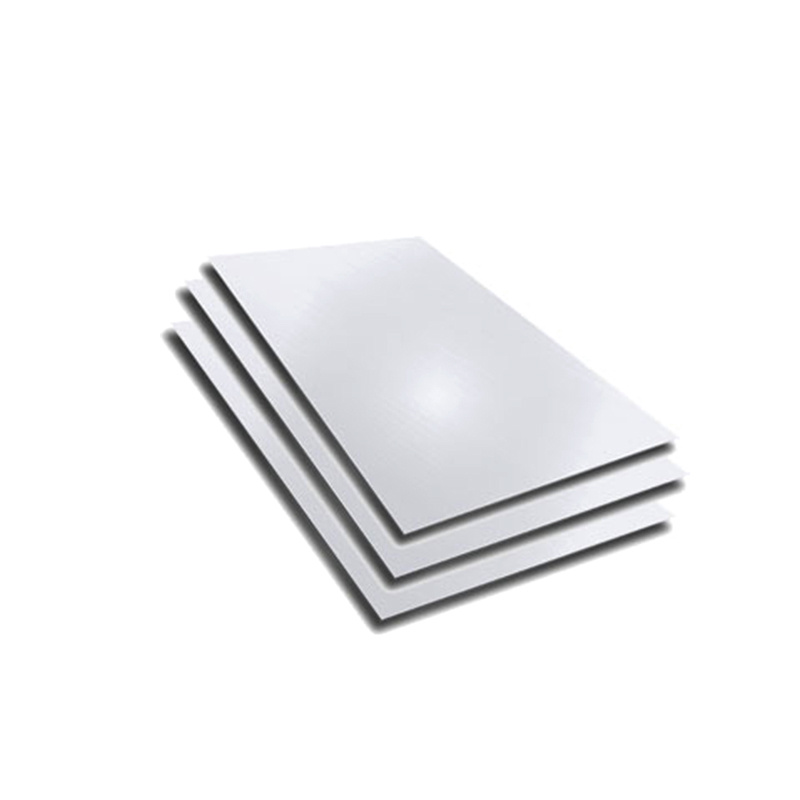
2507 Duplex Stainless Steel Plate
2507(UNS S32750) is an ultra-duplex stainless steel containing 25% chromium, 4% molybdenum and 7% nickel. It is designed for demanding applications that require excellent strength and corrosion resistance, such as chemical processes, petrochemicals and seawater equipment. The steel has excellent resistance to chloride stress corrosion cracking, high thermal conductivity and low coefficient of thermal expansion. High chromium, molybdenum and nickel levels provide excellent resistance to pitting, crevice corrosion and general corrosion.
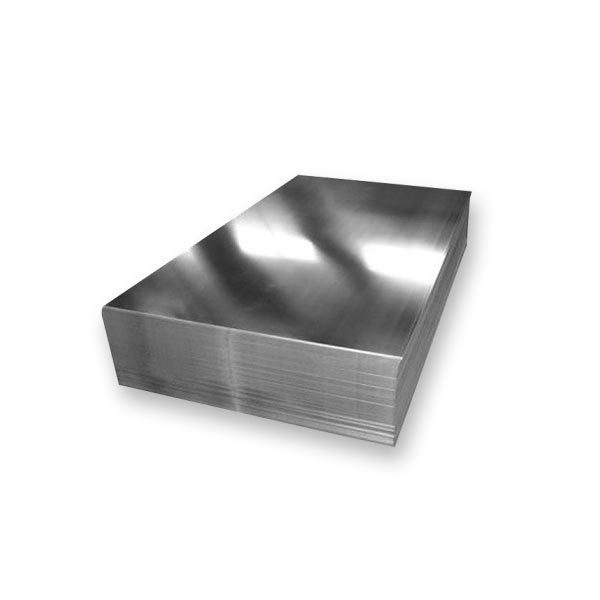
Single Reduced Cold Rolled Tinplate
Tinplate, also known as electrolytic tin-coated steel sheet, is a cold-rolled steel substrate coated with a thin layer of tin on both surfaces through advanced electrolytic plating technology. This combination offers excellent corrosion resistance, weldability, and formability, making it an ideal material for packaging and industrial applications.
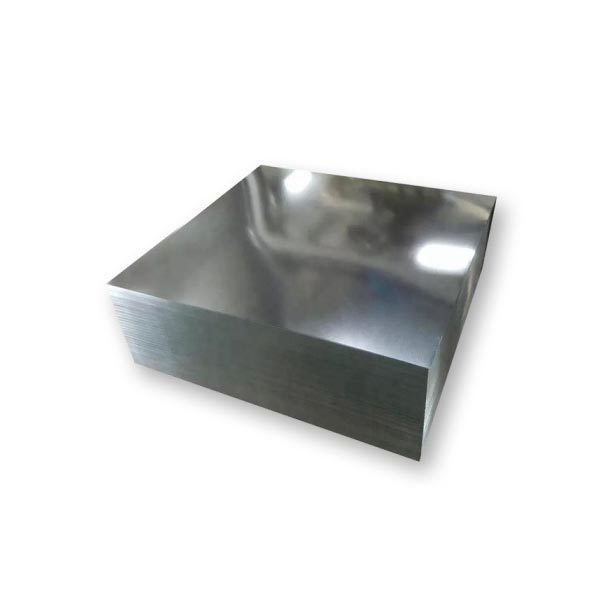
Tin Mill Black Plate (TMBP) steel is manufactured from hot rolled coils by pickling to remove the surface oxide produced during the hot rolling stage, and cold reducing through a cold mill to the desired thickness. TMBP produces a low ductility product that is usually processed further to develop desired end use characteristics.
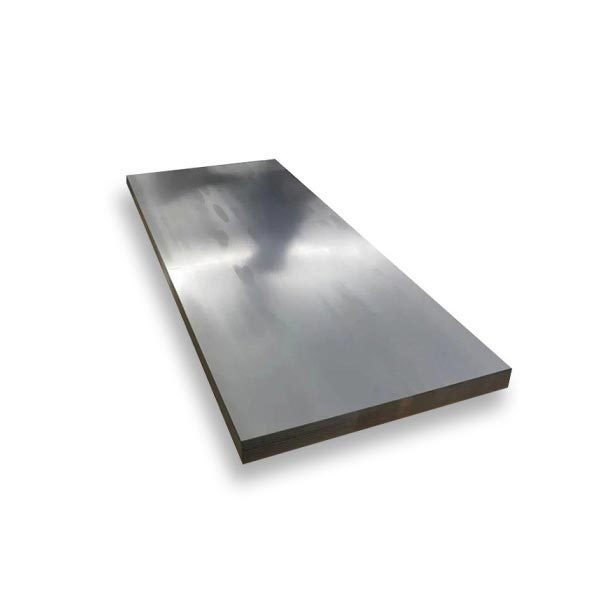
Differential Thickness Tinplate
Differential thickness tinplate is a cold-rolled electroplated tin plate with different tin plating amounts on both sides. Tin plated sheet is made by rolling low carbon steel, followed by acid washing, cold rolling, electrolytic cleaning annealing, leveling, edge cutting processing, and then cleaning, electroplating, softening, passivation treatment, and oil coating before cutting into finished tin plated sheet metal.


Can't find the service you are looking for? Please contact us!
To inquire about our products, please leave us your email and we will contact you within 24 hours.
Email : sales1@taihangmetals.com
Add : Jihongtan Street, Chengyang District, Qingdao City, Shandong Province
GET A FREE QUOTE
Leave your contact information and we will contact you during working hours.
Copyright : TAIHANG STEEL (QINGDAO)CO., LTD. Powerby : CEGLOBAL SEO BUSINESS LICENSE PRIVACY POLICY