PRODUCT CENTER
CONTACT US
If you are interested in cooperation, please contact us immediately, we will give you feedback as soon as possible!
Mobile
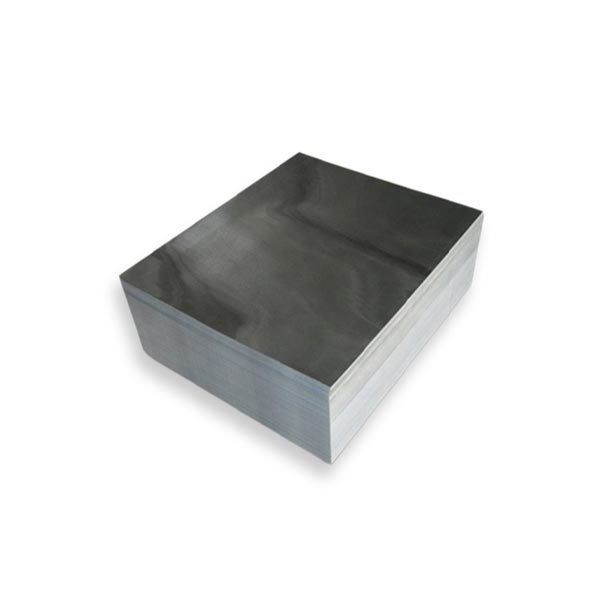
Equal thickness tinplate is a cold-rolled tinplate with the same amount of tin plating on both sides. Tin plated sheet is made by rolling low carbon steel, followed by acid washing, cold rolling, electrolytic cleaning annealing, leveling, edge cutting processing, and then cleaning, electroplating, softening, passivation treatment, and oil coating before cutting into finished tin plated sheet metal.
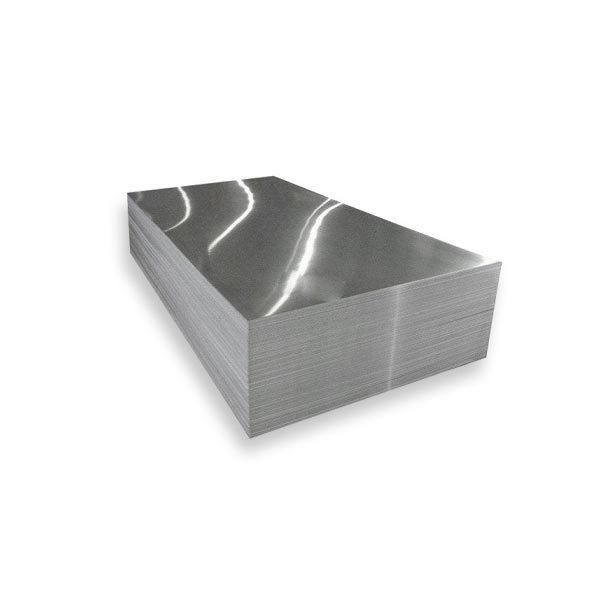
ETP (Electrolytic Tinplate). Low carbon steel coated with tin with a layer between them of steel-tin alloy and destined to be used mainly in the production of metal cans. Tin provides good weldability and electrical conductivity, as well as high corrosion resistance.
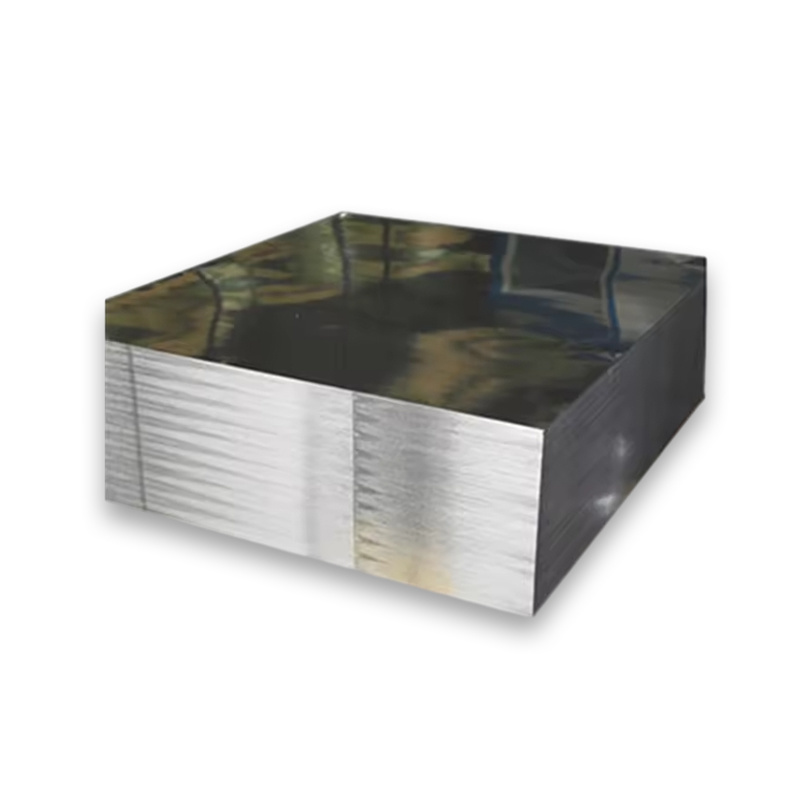
Tin Free Steel (TFS) is produced by applying electrolytic chromic acid treatment over steel sheets. This steel product was developed to meet economic requirements, and excels tinplate in paintability, paint adhesion, and economy. It is widely used for making beverage cans and 18-liter cans.
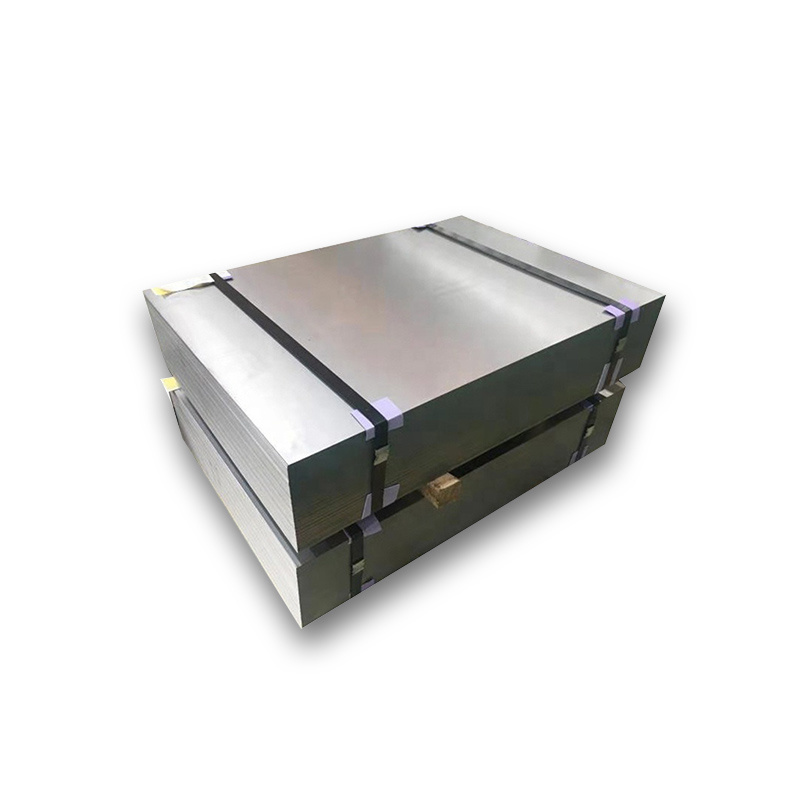
Double Reduced Cold Rolled Tinplate
Double reduced product is given a partial cold reduction to reach an intermediate gauge, then annealed and given another cold reduction to the final gauge prior to coating with tin. The resulting product is stiffer, harder, and stronger than single reduced, in some cases, allowing customers to utilize lighter gauge steel in their application.
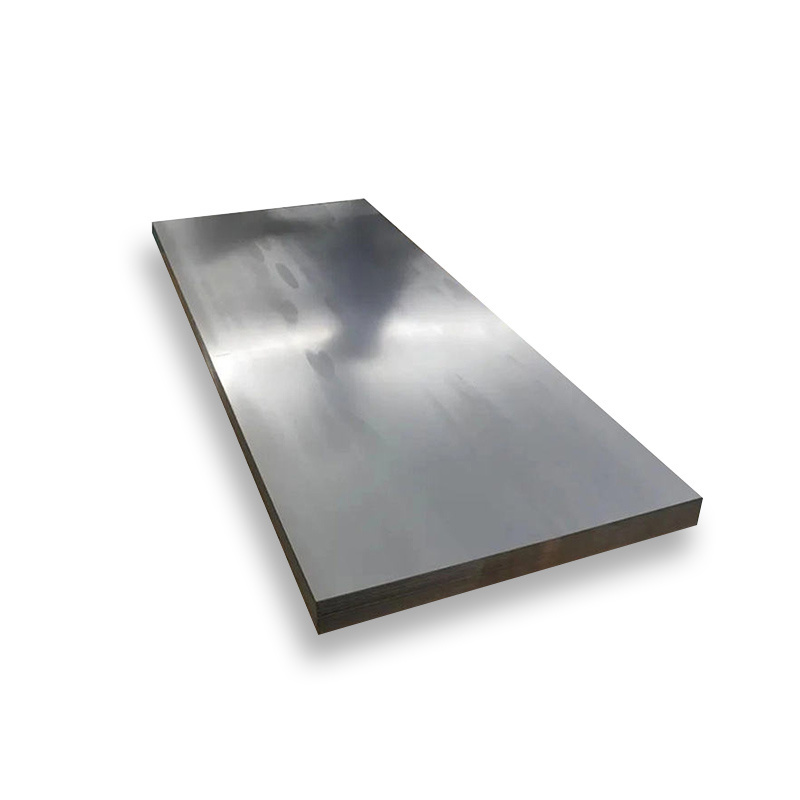
It is the chemical properties of SPCC that differ from MR type. The Sulphur content is marginally higher as a percentage in SPCC. Using SPCC for general line and MR Type for Food.
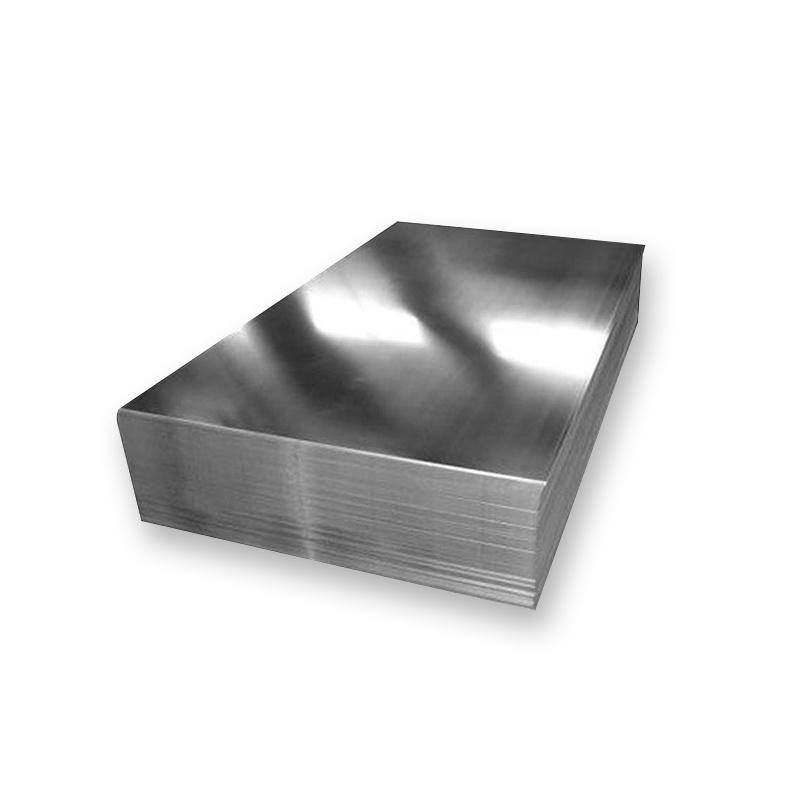
Tinplate Sheet is a versatile packaging material that is widely used in various industries. Firstly, it plays a crucial role in the food packaging industry, being used for the production of various canned goods such as fish, fruits, tomato sauce, and powdered milk.
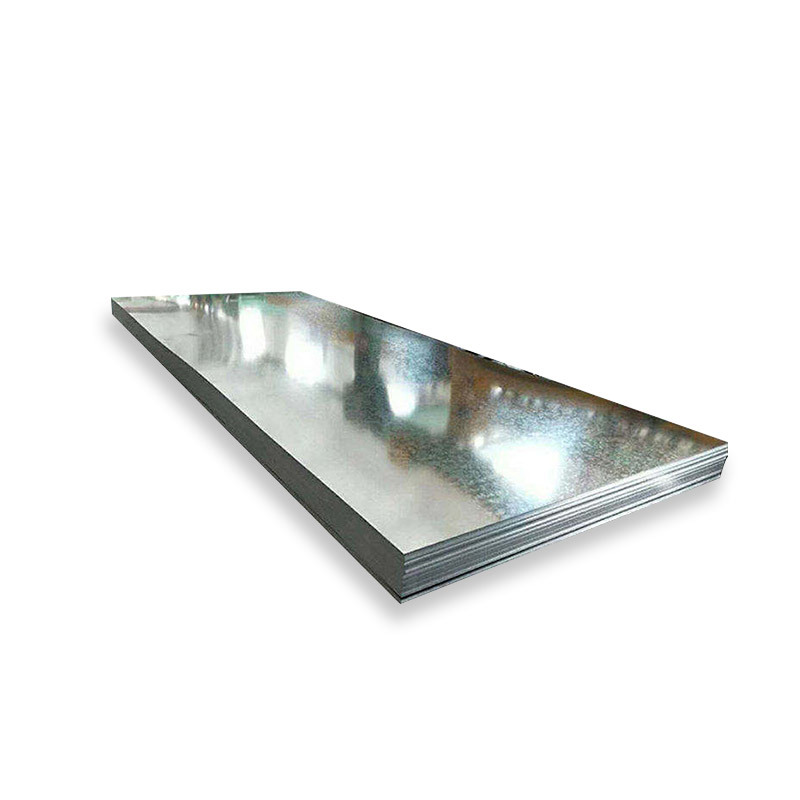
Z120 is the coating name, which means that the coating thickness on both sides is approximately 120g/㎡ or 36g/㎡ (three-point test) and 90g/㎡ (single-point test). Z120 grade galvanized steel coil is coated with zinc to make it more durable. The working principle of the process is to immerse the coiled steel plate in a galvanizing tank filled with molten zinc. Through the continuous galvanizing process of the thin steel sheet, the galvanized coil is obtained. This type of steel has better formability and good paint adhesion in commercial or architectural use. Another method of producing galvanized steel sheet is through a hot-dip plating process. In this method, it is essential that the steel sheet is heat-treated at 500°C immediately after the exit of the can to form the alloy film coating.

Galvanized steel coils are covered with a zinc coating to provide corrosion resistance. G40 galvanized steel coil is a galvanized layer name or A653 standard specification specified in the hot-dip coating process galvanized (galvanized) or zinc-iron alloy (galvanized) steel sheet requirements. The G40 protective coating prevents moisture from reaching the steel structure, thereby improving the corrosion resistance of the steel. This can extend the life expectancy of the steel. G40 is the average coat weight and therefore provides moderate protection.

G60 is the coating grade of steel sheet after continuous hot dip plating process. G represents the "galvanized" or galvanized layer of the product. The number 60 refers to the thickness of the zinc around the steel sheet or the thickness of the entire double-sided coating. To get the amount of galvanizing on one side, you need to divide this number by two. Galvanized steel sheet G60 is coated with molten zinc. After the continuous coating process at a speed of 600 feet per minute, the excess zinc on the steel plate is removed by high-pressure air. This is in order to produce the desired coating thickness. After cooling, the sheet is rolled into a roll, ready for manufacturing.


Can't find the service you are looking for? Please contact us!
To inquire about our products, please leave us your email and we will contact you within 24 hours.
Email : sales1@taihangmetals.com
Add : Jihongtan Street, Chengyang District, Qingdao City, Shandong Province
GET A FREE QUOTE
Leave your contact information and we will contact you during working hours.
Copyright : TAIHANG STEEL (QINGDAO)CO., LTD. Powerby : CEGLOBAL SEO BUSINESS LICENSE PRIVACY POLICY